Monday – Saturday: 10:00 AM – 7:30 PM | Sunday: By Appointment
42 Botanical Pavilion, Avenue of Wellness, Suite 101
Clinical DermatologySkin Care
Clinical Fungal Infection Treatment
Microbiological diagnostic evaluation, targeted antifungal protocols, and recurrence prevention
Clinical Overview
About the Procedure
Fungal skin infections (dermatophytosis, Tinea corporis, Tinea cruris, Tinea versicolor, Candidiasis, and Onychomycosis) have become increasingly stubborn and resistant, predominantly aggravated by the indiscriminate use of over-the-counter steroid-containing combination creams. At Blush & Bloom, our approach is strictly evidence-based and physician-led: we never prescribe irrational steroid cocktails. Instead, we perform direct microscopic screening (KOH wet mounts and Wood's lamp examination) to identify fungal hyphae and spores. Treatment incorporates culture-guided topical and systemic antifungal regimens, anti-itch barrier restoration, and tailored hygiene counseling to achieve permanent mycological cure and stop recurring reinfection.
Targeted Indications
Who Is This Treatment Suitable For?
This protocol is clinically recommended for individuals presenting with one or more of the following concerns:
Tinea Corporis & Tinea Cruris (Ringworm of body and groin)
Tinea Versicolor (Pityriasis Versicolor / Discolored patches)
Athlete's Foot (Tinea Pedis) & Interdigital Maceration
Fungal Nail Infections (Onychomycosis)
Candidal Intertrigo (Underarm & submammary fungal rashes)
Steroid-Modified Resistant Fungal Infections (Tinea Incognito)
Technology & Modality
Platform & Equipment Utilized
KOH Direct Mount Microscopy, Wood's Lamp Examination & Targeted Antifungal Protocol
Official clinic facility referenced in Blush & Bloom medical services brochure.
Step-by-Step Pathway
What to Expect During Your Session
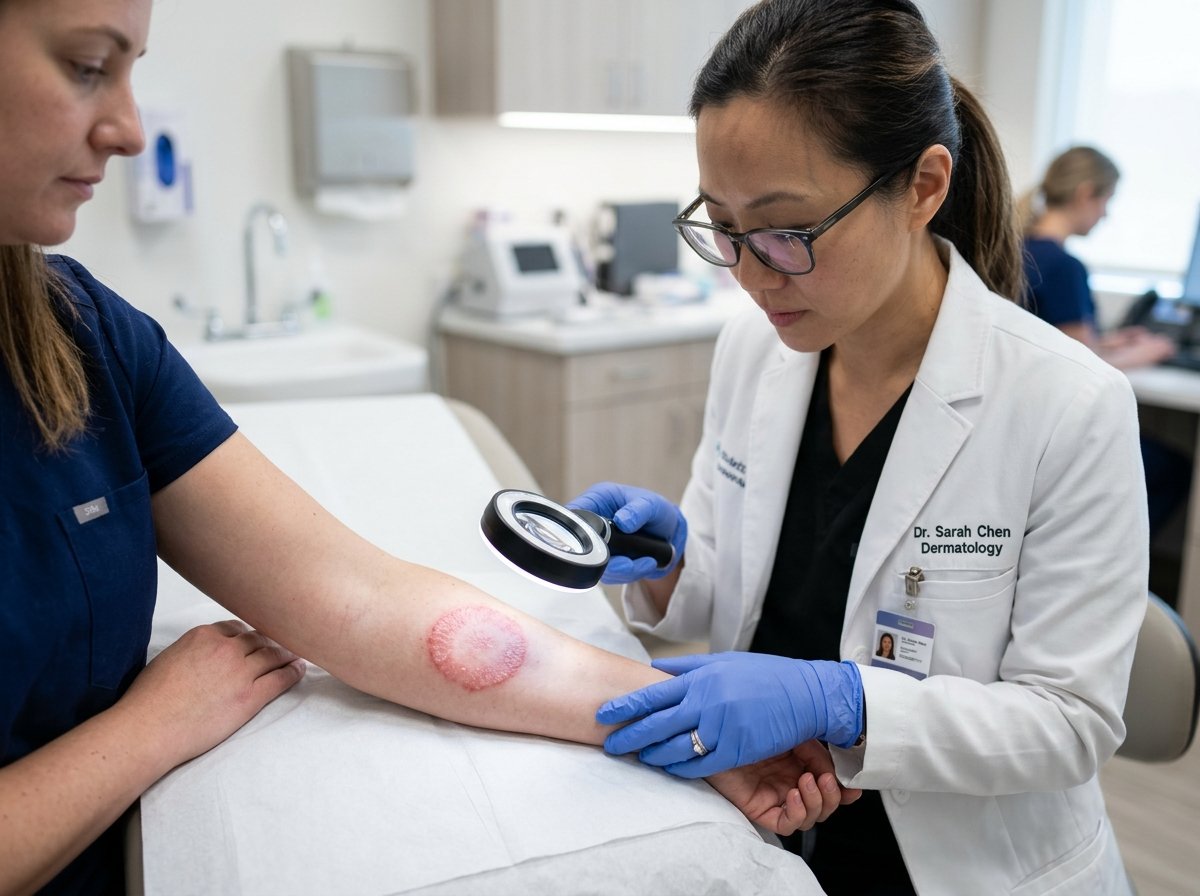
Step 1: Clinical Examination & Dermoscopy
Visual mapping of active advancing annular borders, erythema intensity, and scaling patterns.
Step 2: KOH Microscopic Diagnostic Scrape
Gentle, painless surface scraping of peripheral scales examined under the microscope to immediately confirm fungal hyphae and rule out mimic conditions.
Step 3: Targeted Antifungal Prescription
Evidence-based antifungal therapy (pure topical allylamines/azoles and oral antifungals if clinically indicated with liver enzyme monitoring). Absolute avoidance of damaging topical steroids.
Step 4: Recurrence Prevention & Barrier Care
Customized moisture management guidance, breathable apparel recommendations, and antifungal dusting powder regimens to prevent family cross-transmission.
Clinical Benefits
Key Advantages & Expected Outcomes
Accurate microscopic confirmation preventing misdiagnosis and wrong treatments
Absolute elimination of steroid creams that cause skin thinning and rebound flares
High mycological cure rate with structured post-clearance follow-up
Restores natural skin barrier and prevents household cross-infection
Personalized hygiene protocol tailored to Indian climate and humidity
Aftercare & Recovery
Post-Treatment Guidance
Evidence-Based Recovery Advice
Complete the full prescribed course of antifungal therapy even if visible itching subsides; keep body folds completely dry after bathing; wear loose cotton clothing; wash personal towels and linen in hot water and avoid sharing.
Common Questions
Frequently Asked Regarding This Treatment
The most common cause of recurrence is using over-the-counter creams that contain strong steroids (like clobetasol or betamethasone). While steroids temporarily calm redness, they suppress local skin immunity, allowing the fungal spores to multiply deeper into hair follicles and become resistant (a condition known as Tinea Incognito). Our doctor prescribes targeted, pure antifungal therapies and addresses moisture factors to permanently eradicate the infection.
Not at all. The KOH test is completely painless and takes only a few minutes. The doctor uses a sterile, dull medical spatula to gently collect microscopic loose surface flakes from the edge of the rash for examination under the clinic microscope.
Most superficial skin fungal infections clear within 2 to 4 weeks with compliant use of prescribed antifungals. Nail infections (onychomycosis) take longer as the healthy nail plate grows out over several months.
Personalized Clinical Care
Book Your Consultation
Schedule a private skin, hair, or laser consultation at Blush & Bloom. Discuss your goals with our clinicians and receive a tailored treatment plan.