Monday – Saturday: 10:00 AM – 7:30 PM | Sunday: By Appointment
42 Botanical Pavilion, Avenue of Wellness, Suite 101
Medical DermatologySkin Care
Eczema & Atopic Dermatitis Care
Physiologic barrier repair, acute itch relief, and long-term flare management
Clinical Overview
About the Procedure
Eczema (Atopic Dermatitis, Contact Dermatitis, Dyshidrotic Hand Eczema) is a chronic inflammatory disorder characterized by intense pruritus, defective stratum corneum barrier function, and heightened immune reactivity. Our clinical protocol focuses on rapidly breaking the debilitating itch-scratch cycle, restoring the lipid moisture barrier with physiologic ceramides, identifying environmental or contact allergens (patch testing where indicated), and employing non-steroidal anti-inflammatory topicals and targeted immunomodulators to maintain long-term remission without steroid dependence.
Targeted Indications
Who Is This Treatment Suitable For?
This protocol is clinically recommended for individuals presenting with one or more of the following concerns:
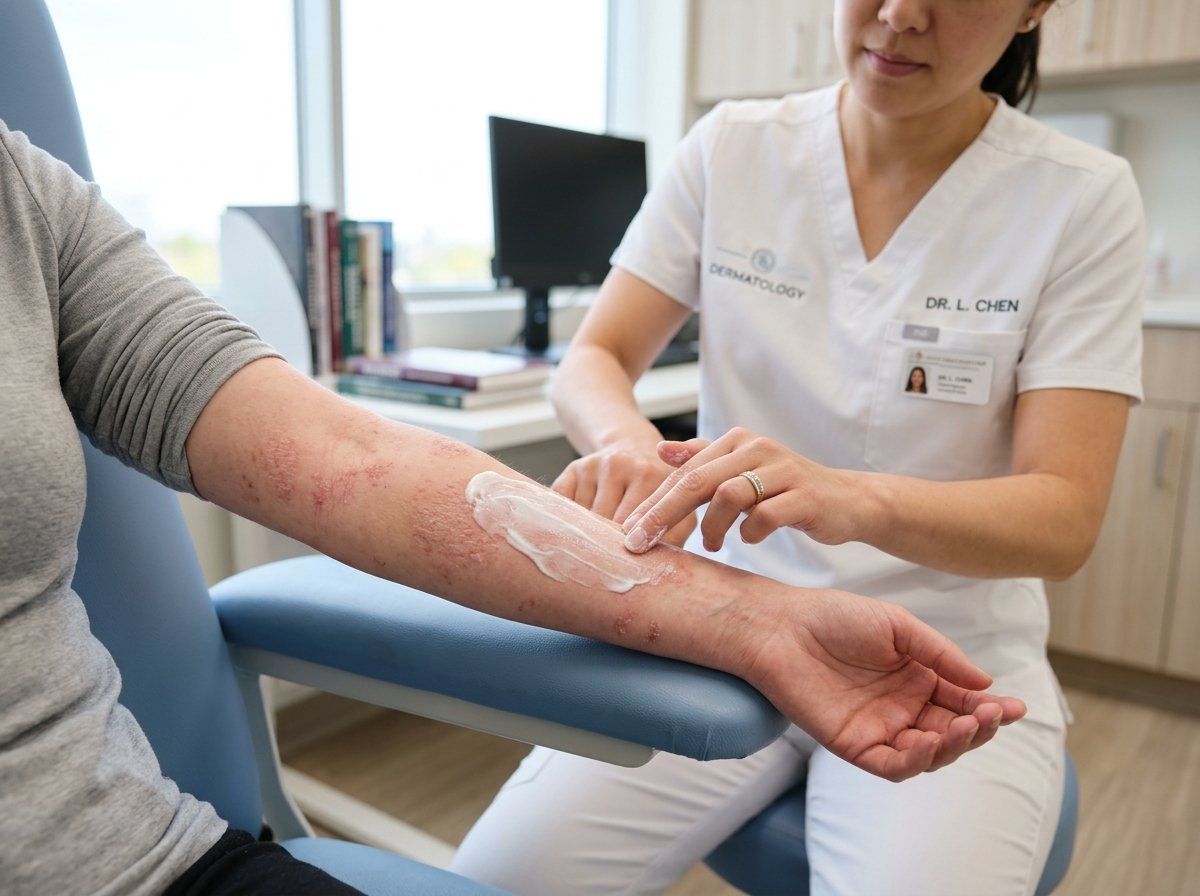
Stratum Corneum Barrier Analysis, Contact Patch Testing Protocols & Anti-Inflammatory Phototherapy
Official clinic facility referenced in Blush & Bloom medical services brochure.
Step-by-Step Pathway
What to Expect During Your Session
Step 1: Clinical Phenotyping & Trigger Mapping
Detailed diagnostic analysis of eczema subtype, personal/family atopic history (asthma, allergic rhinitis), and daily occupational/domestic trigger exposures.
Step 2: Epidermal Barrier Integrity Assessment
Evaluating trans-epidermal water loss, micro-fissuring, secondary bacterial colonization (Staph aureus), and excoriation depth.
Step 3: Acute Flare Quenching
Rapid anti-inflammatory medical intervention to break the itch cycle, transitioning to steroid-sparing topical calcineurin inhibitors for long-term safety.
Step 4: Intensive Ceramide Barrier Restructuring
Prescription of physiologic lipid formulations (ceramides, cholesterol, free fatty acids in optimal ratio) to heal micro-fissures and lock in moisture.
Clinical Benefits
Key Advantages & Expected Outcomes
Rapid relief from relentless itching and nocturnal sleep disruption
Safe, sustainable long-term flare management without continuous steroid reliance
Clear identification of hidden daily contact irritants and allergens
Gentle, compassionate protocols suitable for sensitive pediatric and adult skin
Aftercare & Recovery
Post-Treatment Guidance
Evidence-Based Recovery Advice
Practice the dermatological "soak and seal" method: take brief lukewarm showers with soap-free syndet cleansers, gently pat damp, and apply generous ceramide emollient within 3 minutes; avoid wool, rough synthetics, and fragranced detergents.
Common Questions
Frequently Asked Regarding This Treatment
Eczema is primarily a genetic defect in the skin barrier (filaggrin deficiency). While there is no permanent "one-time cure", modern dermatological care can achieve complete, long-lasting remission and symptom-free skin through barrier maintenance and trigger avoidance.
No, eczema is completely non-contagious. It cannot spread from person to person through contact or sharing items.
It involves taking a short lukewarm shower or bath with a soap-free syndet cleanser, gently patting the skin partially dry with a towel (leaving it slightly damp), and immediately sealing in moisture with a rich ceramide-based prescription ointment within 3 minutes.
Personalized Clinical Care
Book Your Consultation
Schedule a private skin, hair, or laser consultation at Blush & Bloom. Discuss your goals with our clinicians and receive a tailored treatment plan.